A useful distinction, not a quality ranking
Broadway and Off-Broadway identify different parts of New York's professional theater landscape. The labels help describe the venue and production context, but they do not tell you how moving, funny, inventive, or memorable a performance will be. A large musical and an intimate play can both be ambitious. Choose between them by thinking about the kind of encounter you want with the work.
Broadway is associated with its designated theaters. Off-Broadway includes a varied collection of venues and productions beyond that group. Capacity is part of the familiar distinction, but a single seat-count rule is not a reliable way to classify every New York entertainment venue. Check the actual production listing instead of assigning a label just from the size of the room.
The address does not settle the question
The street called Broadway and the theater category called Broadway are not interchangeable. An Off-Broadway venue can be close to the Theater District, and an address should not be interpreted as a verdict on the production's status. The Off-Broadway Alliance's venue directory includes New World Stages on West 50th Street as well as locations farther downtown.
For planning purposes, that means you should save the precise venue address, not just a neighborhood shorthand. If you are meeting friends, send the name of the building and the specific stage when relevant. A theater complex may contain several auditoriums, and a familiar production title alone does not tell everyone which entrance or ticket line they need.
Think about the room you want to share
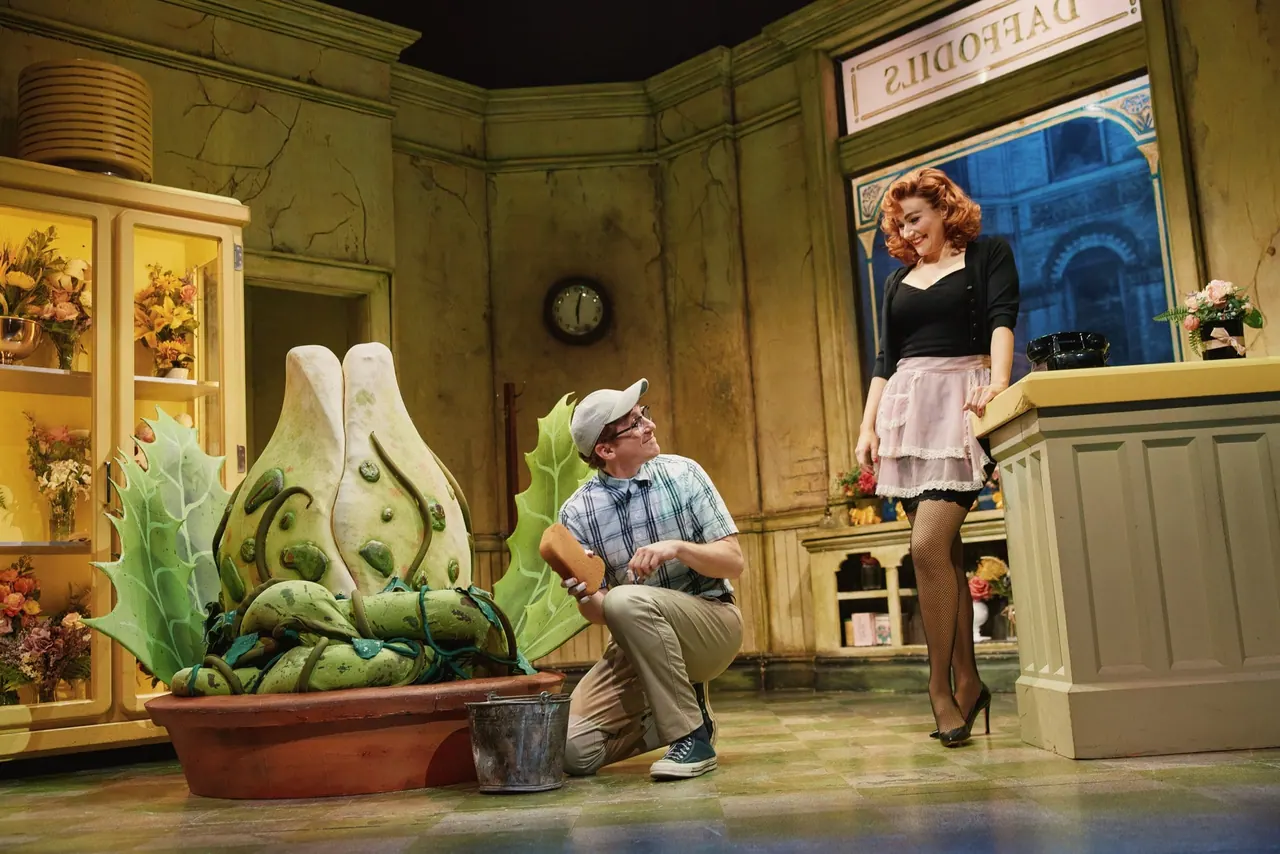
A smaller auditorium can make you more aware of the relationship between actor and audience. An expression, a pause, or a change in the room's attention may become a large part of your experience. A larger house can offer a different pleasure: the collective response of many people and a stage picture designed for that scale. These are artistic possibilities rather than rules about what each category must contain.
Off-Broadway does not necessarily mean minimal scenery, experimental material, or audience participation. Broadway does not necessarily mean a musical or an enormous spectacle. Read how the actual production is staged. If an event is immersive or requires movement, investigate what that means for your comfort and access needs before treating it like a conventional seated show.
Compare productions on the same terms
Use the same basic questions for both categories. Does the story interest you? Is the running time manageable? Are the content and effects appropriate for your group? Can the venue accommodate your access requirements? Are there performances on the date you need? Those questions are much more useful than assuming the larger name is automatically the safer choice.
Read criticism for its explanation, not just a score. A review that describes an intimate performance style may tell you more than a list of awards. Distinguish an assessment of the current production from coverage of an earlier staging or a version in another city. A title can travel, change casts, and be reimagined without every old description remaining applicable.
Do not make price or access assumptions
Compare actual totals for the dates and seating options you can use. Off-Broadway is not a guarantee of a lower ticket price, and a small room is not a guarantee of a completely clear view. Check any restriction and whether you are buying a reserved seat, a seating category, or another type of admission. The booking description should explain the offer you are purchasing.
Access also belongs to the specific building and performance. Look for the route to your seat, restroom access, and available services. TDF and Theatre Access NYC provide resources across Broadway and beyond. If the information leaves an important question unanswered, contact the venue before buying rather than relying on the category or apparent size of the auditorium.

Let the distinction widen your choices
For a first New York theater visit, one show that interests you is enough. For a longer stay, a Broadway production and an Off-Broadway production can make a satisfying pair because they may introduce different rooms, neighborhoods, and ways of telling stories. Choose the combination for that contrast, not because either label is a box you must check.
Leave time around an Off-Broadway visit to explore the actual neighborhood where it takes place. A meal nearby can make an unfamiliar part of the city feel like part of the evening. Above all, keep your attention on the production. The label helps you navigate New York theater, while the performance is what you will remember.
Read more before you book
YOUR QUESTIONS, ANSWERED
A few things worth knowing
Is Off-Broadway lower quality than Broadway?
No. The labels describe different production and venue contexts, not a judgment of quality. Compare the specific work, creative approach, and suitability for your interests.
Are all Off-Broadway theaters downtown?
No. Off-Broadway venues are in several locations, including near the Theater District. Check the exact address and any stage number on your booking.
Are Off-Broadway tickets always cheaper?
No. Compare the actual performance, seating arrangement, restrictions, and total cost. A category label is not a price guarantee.
Does Off-Broadway mean audience participation?
No. Some productions are interactive or immersive, but many use conventional seated staging. Read the description of the specific show.
Can a Broadway show be a play?
Yes. Broadway includes plays as well as musicals. Use the production description to understand its form rather than relying on the Broadway label.
Should my first New York show be on Broadway?
Choose the production that interests you and fits your practical needs. A first visit can be rewarding in either category, and a longer trip can include both.